
What’s the Best Way to Store Shoes in a Custom Closet?
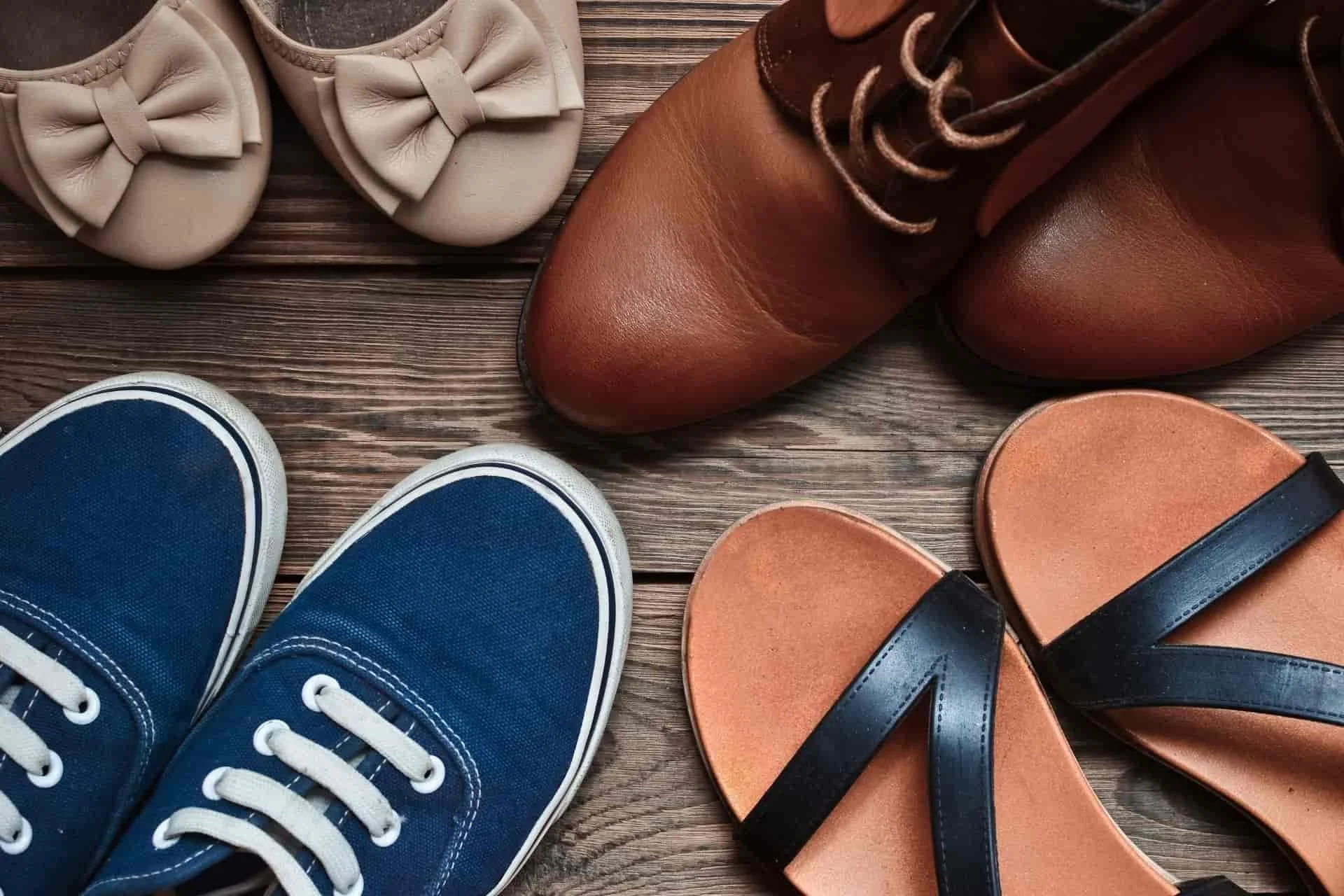
The best way to store shoes in a custom closet is to match the storage solution to the types of shoes you own and how often you wear them, using a combination of angled shelving for everyday pairs, flat shelves for boots and bulkier footwear, and enclosed storage for shoes you wear occasionally. A custom closet gives you the flexibility to design dedicated shoe zones at the right height and depth rather than fitting your collection into whatever shelf space happens to be left over. For homeowners across Wilmington, Leland, Hampstead, and Southport, getting shoe storage right is often the detail that makes the biggest difference in how organized a closet feels and how well it functions day to day.
Why Do Most Closets Fail at Shoe Storage?
The shoe pile at the bottom of a closet is one of the most universal organizational frustrations, and it almost always comes down to the same root problem: the closet was not designed with shoes in mind. Standard closets are built around a rod and a shelf, which leaves the floor as the only logical place for footwear. Without a designated system, shoes end up stacked, scattered, and buried, and finding a matching pair in the morning becomes its own daily challenge.
The specific failure points are predictable. A single flat shelf at one height cannot accommodate the range of footwear most people own. Heels need a different depth than sneakers. Boots need height that a standard shelf does not provide. Sandals and flats can stack at much lower clearance than dress shoes. When everything gets forced onto the same shelf at the same height, space gets wasted, and the system stops working almost immediately.
What Types of Shoe Storage Work Best in a Custom Closet?
A custom closet gives you several options that a standard closet simply cannot offer, and the best solution for your space is usually a combination of two or three of these.
Angled shoe shelves are the most popular choice for everyday footwear. The slight tilt, typically around 15 to 20 degrees, displays shoes attractively while keeping them accessible and visible at a glance. Angled shelves work especially well for heels, flats, and dress shoes, where you want to see the pair quickly without digging through a pile. The shelf spacing can be customized to your specific shoe heights, so no vertical space is wasted.
Flat shelves at varied heights are the practical choice for sneakers, sandals, and boots. A section of taller flat shelves handles tall boots without requiring them to be folded over or stored horizontally. Lower flat shelves with minimal clearance work well for sandals and flats that do not need much vertical space. Spacing the flat shelves at different heights throughout the shoe section means every type of footwear has a home sized to fit it properly.
Pull-out shoe drawers are a good option for homeowners who prefer a cleaner, more streamlined look. Each drawer slides out to reveal the shoes stored flat inside, keeping the overall visual of the closet neat while still making everything accessible. This works particularly well for larger collections where open shelving can start to feel visually overwhelming.
According to the American Cleaning Institute, Americans spend an average of 12 minutes each morning looking for items in disorganized storage spaces, and footwear is consistently one of the top contributors to that lost time. A properly designed shoe section that gives every pair an obvious home eliminates that daily frustration almost entirely.
How Much Space Do You Actually Need for Shoe Storage?
This is where a lot of shoe storage planning goes wrong. People underestimate how much linear shelf space a typical shoe collection requires and end up with a system that is full within weeks of installation.
A general rule of thumb is to count your current shoe pairs, add 20 to 30 percent for growth, and then plan your shelf space accordingly. A standard angled shoe shelf holds roughly 6 to 8 pairs per linear foot, depending on shoe size and heel height. A flat shelf holds slightly more. If you own 40 pairs of shoes, you need roughly 5 to 7 linear feet of dedicated shoe shelving at a minimum to store them properly without stacking or doubling up.
Height matters too. The average heel height for a standard shoe is about 4 to 5 inches, meaning angled shoe shelves can be spaced at 6 to 7 inches apart without wasting space. Taller heels or chunky sneakers need more clearance. Boots need a dedicated section with 12 to 16 inches of vertical space. Planning for these variations from the start means your system works for your actual wardrobe rather than a theoretical average.
Should Shoes Be Stored Open or Behind Closed Doors?
In coastal North Carolina, where humidity is a real factor for homeowners throughout Wilmington, this question matters more than it might in a drier climate. Open shelving allows air circulation, which is actually beneficial for leather shoes and natural materials that need to breathe to maintain their shape and finish. Enclosed storage in a humid environment can trap moisture against footwear, which accelerates deterioration and can contribute to odor over time.
That said, enclosed storage makes sense for shoes you wear infrequently, seasonal footwear, or dress shoes that need protection from dust. The practical approach in a coastal home is to use open-angle and flat shelves for your regular rotation and reserve enclosed cabinets or drawers for the shoes you cycle through less often.
Research from the National Association of Home Builders shows that closet organization is consistently ranked among the top features homeowners wish they had invested in sooner, and shoe storage is one of the most cited specific improvements among those homeowners. A closet that handles footwear well changes the daily experience of getting dressed in ways that are hard to overstate.
Ready to Fix Your Shoe Storage Once and For All?
At Carolina Custom Closets, we design custom closet systems for homeowners across Wilmington, Southport, Leland, and Hampstead that are built around the shoes you actually own, not a generic template. Our designers will assess your collection, your space, and your daily habits to create a shoe storage solution that works the way your closet should have worked from the beginning. Every system is manufactured right here in North Carolina, backed by a lifetime warranty and our best price promise.
Schedule your free design consultation today and find out what a closet designed around your actual wardrobe feels like.
Frequently Asked Questions
-
Angled shoe shelves are the most popular choice for everyday footwear because they display shoes attractively and make them easy to identify at a glance. For boots and bulkier sneakers, flat shelves with customized height clearances work better. Most well-designed closets use a combination of both to accommodate different footwear types.
-
Tall boots store best on a flat shelf with at least 12 to 16 inches of vertical clearance, allowing them to stand upright without bending. Some custom closets include dedicated boot cubbies or boot clips that hold each boot individually. Storing boots upright preserves their shape and makes them much easier to grab quickly.
-
A standard angled shoe shelf typically holds 6 to 8 pairs per linear foot, depending on shoe size and heel height. Flat shelves can hold slightly more. If you own 30 to 40 pairs of shoes, plan for at least 5 to 6 linear feet of dedicated shoe shelving to avoid stacking or overcrowding.
-
Open shelves are generally better for shoes you wear regularly because they keep footwear visible, accessible, and well-ventilated. Boxes work well for storing shoes you wear infrequently, particularly in humid coastal climates where enclosed storage can trap moisture. Clear boxes are a good middle ground if you prefer a tidier visual while still being able to see what is inside.
-
The most effective approach is to give every pair a specific, designated spot and return shoes to that spot after each wear. Closets with clearly defined zones for different shoe types, such as heels in one section, sneakers in another, and boots in a dedicated area, maintain themselves much more easily than undifferentiated shelving. A custom system designed around your actual collection makes this habit natural rather than effortful.