
Why These Three Rooms Never Stay Organized in Wilmington Homes
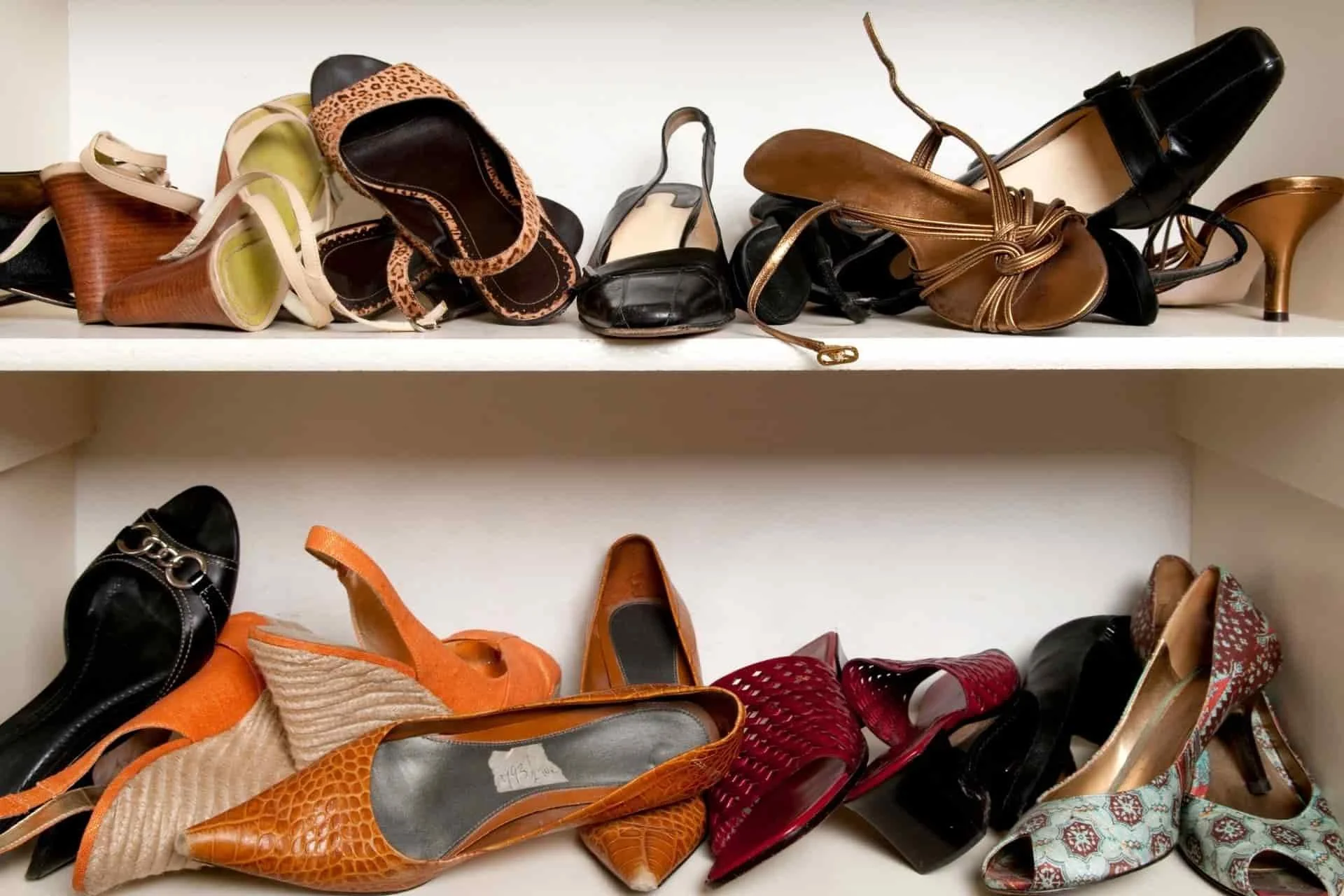
Ask anyone around Wilmington what part of their home drives them the craziest, and you will hear the same three answers every single time. It is never the living room. It is never the master bedroom. It is almost always the same spaces, and the reason they stay disorganized has nothing to do with bad habits. It has everything to do with how they were designed in the first place. The good news is that once you understand why these spaces fail, fixing them is a lot more straightforward than you might expect.
The Garage: Too Much Stuff, No Real System
The garage tops the list for most coastal North Carolina homeowners, and it isn’t hard to understand why. It serves as the catch-all for everything that doesn’t have a clear home elsewhere in the house. Beach gear, tools, bikes, holiday decorations, sports equipment, lawn and garden supplies, and everything in between ends up competing for the same unorganized floor space.
The real problem isn’t the amount of stuff. It is the absence of any real system. Most garages have a few wire shelves along one wall and a lot of floor space that gradually fills up with things that do not belong anywhere in particular. Without dedicated storage zones, nothing has a home, and without a home, nothing gets put away properly.
According to theU.S. Department of Energy, 25 percent of people with two-car garages cannot fit even one car inside because of clutter, a statistic that resonates deeply with anyone who has spent time trying to navigate their garage after a full summer of beach trips and weekend projects.
The fix is a garage storage system that works in zones. Emergency and storm supplies near the door. Seasonal gear on overhead racks. Tools on wall-mounted panels. Sporting equipment and bikes in dedicated slots. When everything has a specific home, and the system is easy to maintain, the garage stops being the space that embarrasses you every time the door goes up.
The Closet: A System That Was Never Designed to Work
Walk-in closets and reach-in closets are both common culprits in Wilmington homes, and they fail for the same fundamental reason: they were never actually designed for the people living in them. A single rod and a shelf above it is the bare minimum dressed up as a solution. It works fine for a week or two after a thorough reorganization and then slowly collapses back into chaos because the underlying structure was never right.
The specific failure points are predictable. There is no double hang for shorter items, so shirts and jackets take up the same amount of vertical space as full-length dresses. There are no drawers, so folded items get stacked on shelves until they topple. Shoes pile up on the floor because there is nowhere logical to put them. Accessories get tossed on top of whatever has the most surface area.
According to a study by theNational Association of Productivity and Organizing Professionals, 67 percent of people believe they could save up to 30 minutes a day if they were more organized, adding up to more than 180 hours a year of lost time. A properly designed closet with dedicated zones for hanging, folding, shoes, and accessories eliminates that daily frustration almost entirely.
The fix here is a custom closet system built around what you actually own and how you use the space. Not a preset configuration from a box, not a couple of extra shelves, but a design that starts with a conversation about your wardrobe and your habits and builds outward from there.
The Pantry (or the Cabinet That Is Trying to Be One)
The third space on this list covers a wide range of situations, because many Wilmington homes do not have a dedicated pantry at all. What they have is a collection of kitchen cabinets doing the best they can, and the result is almost always the same: items stacked in front of other items, expired goods lurking in the back, and a general sense of chaos that makes cooking feel harder than it needs to be.
Even homes with a dedicated pantry space often struggle with it, because the pantry was designed to hold things rather than to support how a family actually cooks and eats. Fixed shelving at arbitrary heights. No pull-out drawers for deep shelves. No clear zones for different categories of food. No designated spot for small appliances.
The result is a space that gets reorganized every few months and returns to disorder within weeks, not because of bad habits but because the structure itself doesn’t support staying organized.
A well-designed custom pantry accounts for how a specific family shops and cooks. Adjustable shelving that accommodates items of every height. Pull-out drawers that bring the back of deep shelves forward. Clearly defined zones for everyday items, bulk goods, baking supplies, and snacks. These are not luxury features. They are functional necessities that make the difference between a pantry that works and one that defeats you.
One Thing These Three Spaces Have in Common
The garage, the closet, and the pantry all fail for the same underlying reason: they were built as generic spaces, not designed for the specific people living in them. A custom storage solution fixes that at the root level. It doesn’t just tidy the space. It redesigns it around how you actually live, which is why the results last.
Carolina Custom Closets has been designing custom storage solutions for homeowners across Wilmington, Southport, Leland, and Hampstead for over 20 years. Whether it is a garage overhaul, a custom closet redesign, or a pantry that finally makes sense, every project starts with listening and ends with a space that genuinely works.
Schedule your free design consultation today and find out what the right storage system can do for the spaces in your home that haven’t quite worked the way they should.
Frequently Asked Questions About Home Organization
-
The three spaces homeowners struggle with most are the garage, the closet, and the pantry. They consistently top the list not because of bad habits but because of how they were designed in the first place. Each one tends to be built as a generic space rather than designed around the specific people using it, which is why they fall back into disorder within weeks of being reorganized. Once you understand why they fail, fixing them is more straightforward than most people expect.
-
The garage stays disorganized because it serves as the catch-all for everything without a clear home elsewhere, including beach gear, tools, bikes, holiday decorations, and lawn supplies, all competing for the same floor space. The real problem isn’t the amount of stuff but the absence of a system. Most garages have a few wire shelves and a lot of floor space that gradually fills up. The fix is a zone-based storage system, with dedicated spots for seasonal gear, tools, sporting equipment, and storm supplies.
-
Closets fail because they were never really designed for the people using them. A single rod with a shelf above it is the bare minimum dressed up as a solution, and it collapses back into chaos because the underlying structure is wrong. The predictable failure points include no double hang for shorter items, no drawers for folded clothing, and no logical organization for shoes and accessories. The fix is a custom system with dedicated zones for hanging, folding, shoes, and accessories, built around what you actually own.
-
A pantry returns to disorder quickly because its structure doesn’t support staying organized, not because of bad habits. Many homes lack a dedicated pantry and rely on cabinets where items stack in front of other items, and expired goods hide in the back. Even dedicated pantries struggle when they have fixed shelving at arbitrary heights, no pull-out drawers for deep shelves, and no clear zones. The fix is adjustable shelving, pull-out drawers, and defined zones for everyday items, bulk goods, baking supplies, and snacks.
-
All three fail for the same underlying reason: they were built as generic spaces rather than designed for the specific people living in them. That is why tidying them never lasts, since the structure itself doesn’t support organization. A custom storage solution fixes the problem at the root by redesigning the space around how you actually live and what you actually own, rather than just adding a few shelves. That root-level approach is what makes the results last instead of collapsing back into clutter within weeks.